
Table of Contents
- PS5 Shipped 92.2 Million Units Worldwide: What Sony Announced
- How PS5 Shipment Figures Compare With Previous PlayStation Consoles
- Regional Performance And Market Trends
- What This Milestone Means For Developers And Publishers
- Impact On PlayStation’s Long-Term Strategy
- What’s Next For PS5 In 2026 And Beyond
- Final Thoughts
PS5 Shipped 92.2 Million Units Worldwide: Full News Article
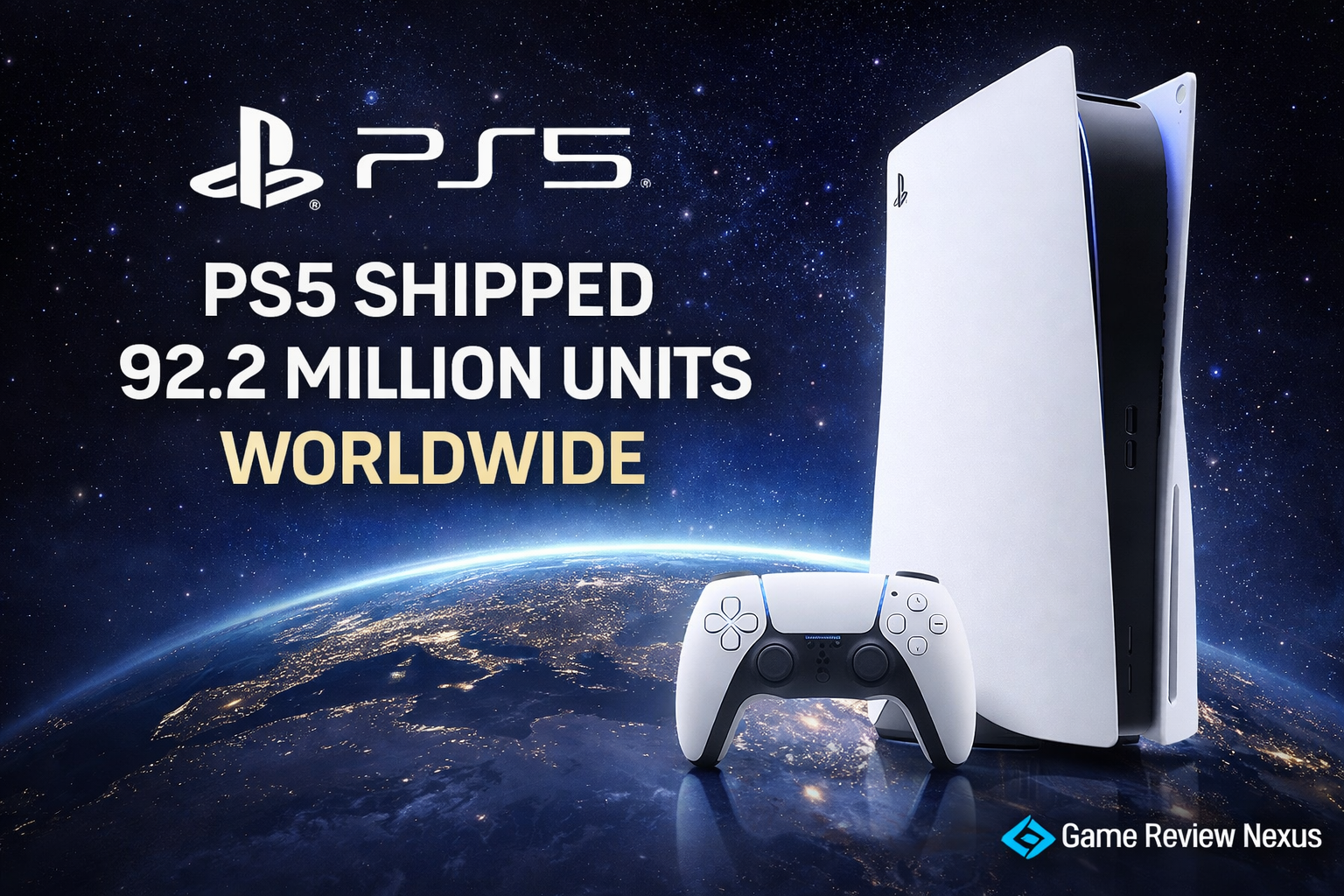
PS5 shipped 92.2 million units worldwide, according to Sony’s latest financial disclosure, marking another major milestone for the PlayStation 5 console generation. The updated shipment figure reflects global hardware distribution through the most recent fiscal quarter and further cements PS5’s position as one of the fastest-moving home consoles in Sony’s history.
The announcement came as part of Sony’s wider business update, where the company outlined hardware performance, software engagement, and ecosystem growth across its PlayStation platform. While Sony differentiates between “units shipped” and “units sold to consumers,” the figure still provides a strong indicator of global demand and PlayStation’s current market footprint.
How PS5 Shipment Figures Compare With Previous PlayStation Consoles
When placed alongside previous PlayStation hardware generations, the PS5’s shipment trajectory shows strong alignment with the PS4’s performance during a similar lifecycle window. Despite early supply chain constraints in the first two years of launch, PS5 shipments accelerated once manufacturing capacity stabilized.
Sony’s ability to move over 92 million units worldwide highlights the console’s sustained demand across multiple regions. The PS5 continues to benefit from a growing library of first-party titles, third-party releases, live service games, and cross-platform launches that appeal to a broad audience.
The shipment figure also reflects Sony’s continued focus on maintaining hardware availability across both standard and digital PS5 models, as well as newer hardware revisions designed to optimize production and logistics.
Regional Performance And Market Trends
Sony did not break down the 92.2 million unit figure by territory in its headline announcement, but historical data suggests that North America, Europe, and Asia remain the core drivers of PS5 hardware shipments.
In North America, PS5 demand has remained consistent due to strong adoption of major releases and subscription services. Europe continues to be one of PlayStation’s most stable markets, with PS5 maintaining a strong presence in the UK, Germany, and France. Meanwhile, Asian markets, particularly Japan and parts of Southeast Asia, have seen steady growth supported by both domestic and international game releases.
The PS5’s growing install base also reflects Sony’s expanding digital ecosystem. More users are engaging with PlayStation Network services, digital storefront purchases, and subscription offerings, which reinforces the platform’s long-term value beyond hardware sales alone.
What This Milestone Means For Developers And Publishers
Reaching 92.2 million PS5 units shipped worldwide is significant for developers and publishers. A larger install base directly impacts software potential, making PS5 a more attractive platform for exclusive titles, timed releases, and optimized console versions of multi-platform games.
For third-party studios, a higher PS5 hardware footprint reduces market risk and improves return on investment when developing titles that take advantage of the console’s performance capabilities. For first-party PlayStation Studios, the growing user base provides a wider audience for upcoming projects, live service expansions, and franchise entries.
This milestone also supports Sony’s ongoing strategy of bringing select PlayStation titles to PC while maintaining PS5 as the primary console ecosystem for premium console experiences.
Impact On PlayStation’s Long-Term Strategy
Sony’s hardware shipment milestone reinforces the company’s broader strategy of positioning PlayStation as a multi-platform entertainment ecosystem. While PS5 remains the core console platform, Sony has increasingly emphasized services, live content, and cross-platform engagement.
The growing PS5 install base strengthens PlayStation’s negotiating position with third-party publishers and content partners. It also supports Sony’s plans to expand first-party franchises across games, television adaptations, and transmedia projects.
From a business perspective, hardware shipments act as a foundation for software revenue, in-game purchases, subscriptions, and digital content. As more players enter the PS5 ecosystem, Sony gains long-term recurring revenue opportunities tied to player engagement.
What’s Next For PS5 In 2026 And Beyond
With PS5 shipments surpassing 92 million units, Sony is entering the next phase of the console’s lifecycle. The focus is expected to shift toward sustained engagement, platform longevity, and content diversification rather than pure hardware acceleration.
Future updates to the PS5 ecosystem may include system software improvements, feature expansions, and continued support for enhanced performance modes on supported displays. Sony is also expected to continue strengthening its content pipeline with major first-party releases, platform partnerships, and third-party collaborations.
As the console generation matures, PS5’s role within Sony’s wider entertainment strategy will likely evolve further, integrating gaming with broader digital services and media initiatives.
Final Thoughts
PS5 shipped 92.2 million units worldwide represents a clear indicator of PlayStation’s continued relevance in the global gaming market. The milestone reflects sustained demand, improved hardware availability, and the growing appeal of the PS5 ecosystem to players across multiple regions.
As Sony continues to expand its platform strategy, this shipment figure serves as a key benchmark for the current console generation and sets the stage for PlayStation’s next phase of growth.