
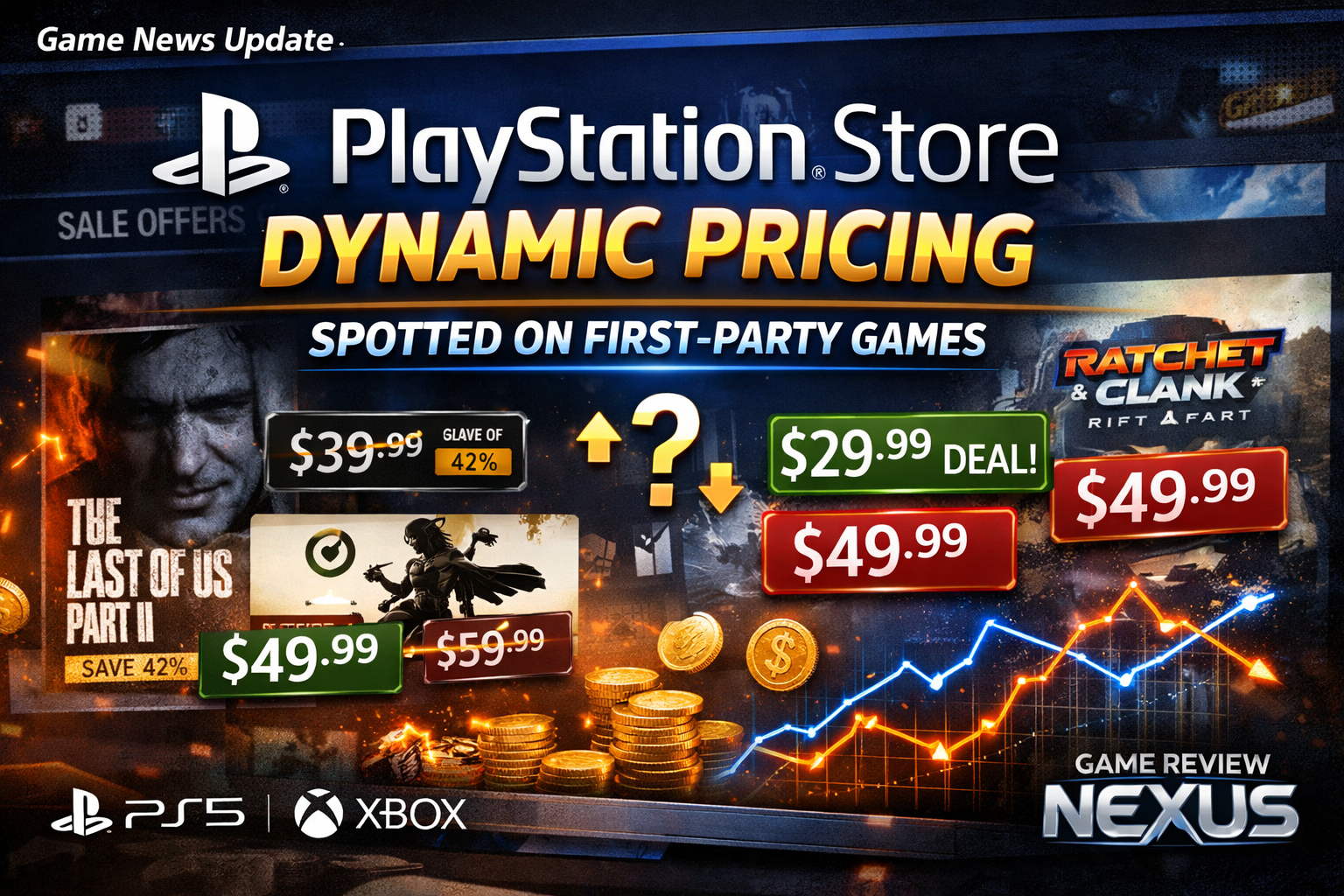
Reports of PlayStation Store Dynamic Pricing have started to surface, with examples appearing on first-party titles. This development suggests that Sony may be experimenting with a more flexible pricing system for digital games.
The discovery has sparked discussion among players, as dynamic pricing could change how games are priced and discounted over time on the PlayStation Store.
Table of Contents
- What Is PlayStation Store Dynamic Pricing
- Examples Spotted On First-Party Games
- How Dynamic Pricing Works
- Potential Impact On Players
- Why This Matters For The Industry
What Is PlayStation Store Dynamic Pricing


PlayStation Store Dynamic Pricing refers to a system where game prices can change based on various factors rather than remaining fixed. This could include demand, player activity, time since release, or promotional strategies.
Unlike traditional pricing models, dynamic pricing allows publishers to adjust prices in real time or over shorter periods.
Examples Spotted On First-Party Games
Recent reports indicate that PlayStation Store Dynamic Pricing has already been observed on some first-party titles. While exact details vary, players have noticed price differences across regions and time periods.
These examples suggest that Sony may be testing the system in controlled scenarios before a wider rollout.
How Dynamic Pricing Works

The concept behind PlayStation Store Dynamic Pricing is similar to systems used in other industries, such as airlines and e-commerce platforms.
Key factors may include:
- Player demand for a game
- Time since release
- Seasonal trends
- Engagement levels
This approach allows prices to adjust dynamically instead of relying on fixed discounts.
Potential Impact On Players


The introduction of PlayStation Store Dynamic Pricing could have both positive and negative effects for players.
Possible benefits:
- More frequent discounts
- Better deals during low-demand periods
Potential concerns:
- Price unpredictability
- Difficulty tracking best purchase timing
This shift could change how players approach buying games digitally.
Why This Matters For The Industry


The emergence of PlayStation Store Dynamic Pricing is significant because it signals a potential shift in digital storefront strategies.
If adopted widely, this system could:
- Influence pricing models across platforms
- Change how publishers approach sales
- Impact player purchasing behavior
It may also lead to more personalized pricing strategies in the future.
Final Thoughts on PlayStation Store Dynamic Pricing
The appearance of PlayStation Store Dynamic Pricing on first-party games suggests that Sony is exploring new ways to manage digital pricing. While still in early stages, this system could reshape how players interact with the PlayStation Store.
As more examples emerge, it will become clearer how this approach affects pricing, accessibility, and overall player experience.