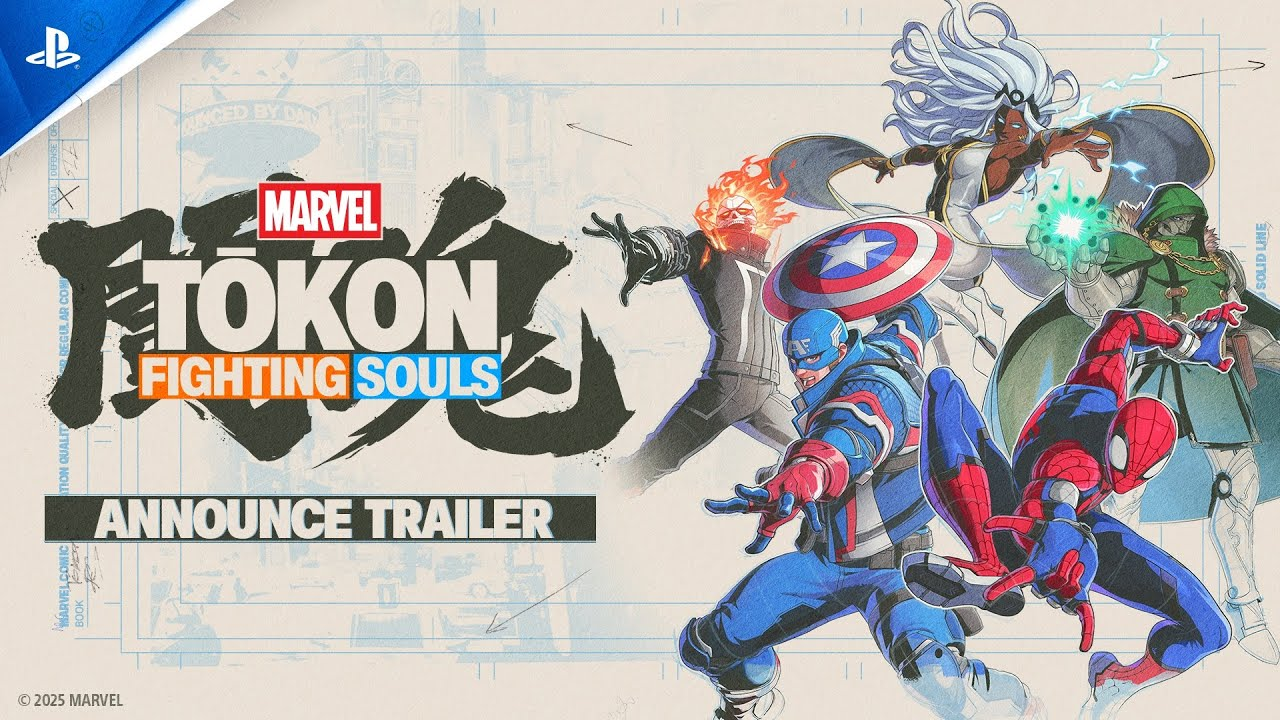
The newly revealed Marvel Tokon Fighting Souls Episode Mode is already creating massive discussion online after developers confirmed that the game’s cinematic story campaign will reportedly last around 10 hours — but won’t actually include traditional fights.
That unusual design choice has immediately divided the fighting game community. While many players expected a cinematic single-player mode filled with battles, the developers instead described Episode Mode as a heavily story-driven experience focused on narrative progression, character interactions, exploration elements, and cinematic presentation rather than direct combat encounters.
The confirmation about the Marvel Tokon Fighting Souls Episode Mode came during a recent developer discussion, where the team explained that the mode is designed to function more like an interactive Marvel series rather than a standard arcade-style campaign.
For some players, that sounds ambitious and refreshing. For others, it feels like a strange decision for a fighting game.
Table of Contents
- Marvel Tokon Fighting Souls Episode Mode Explained
- Why the Story Mode Has No Fights
- Episode Mode Length and Structure
- How This Differs From Traditional Fighting Games
- Community Reactions to the Announcement
- Potential Benefits of the Cinematic Approach
- Possible Concerns From Fighting Game Fans
- What Else We Know About Marvel Tokon Fighting Souls
- Final Thoughts
Marvel Tokon Fighting Souls Episode Mode Explained
The biggest surprise surrounding the Marvel Tokon Fighting Souls Episode Mode is the revelation that the game’s 10-hour story campaign reportedly avoids actual fighting gameplay during most of its runtime.
Instead, the mode focuses heavily on:
- Storytelling
- Cinematic sequences
- Character interactions
- Exploration
- Dialogue progression
- Marvel universe worldbuilding
According to the developers, the goal is to create a more emotionally immersive Marvel experience rather than simply connecting battles together through short cutscenes.
This makes Episode Mode feel more comparable to:
- Narrative adventure games
- Interactive animated series
- Cinematic RPG storytelling
- Marvel streaming-style episodes
rather than traditional fighting game campaigns.
Visuals Related to Marvel Tokon Fighting Souls Episode Mode
Marvel Tokon Fighting Souls Character & Story Visuals


Marvel Tokon Fighting Souls Gameplay & Marvel Universe Screenshots

Why the Story Mode Has No Fights
The most controversial part of the Marvel Tokon Fighting Souls Episode Mode reveal is undoubtedly the lack of actual combat during the campaign.
Developers explained that they intentionally separated:
- Storytelling
- Competitive gameplay
- Multiplayer combat
to ensure the narrative experience remained cinematic and uninterrupted.
Developer Goals for Episode Mode
| Goal | Purpose |
|---|---|
| Cinematic pacing | More emotional storytelling |
| Character focus | Stronger Marvel character development |
| Accessibility | Easier for casual Marvel fans |
| Narrative immersion | Less interruption from repetitive fights |
The studio reportedly wanted players to experience the Marvel universe through a more story-first lens instead of forcing combat encounters every few minutes.
This is an unusual move for a fighting game, but it also helps distinguish Marvel Tokon Fighting Souls from competitors.
Episode Mode Length and Structure
According to the developers, the Marvel Tokon Fighting Souls Episode Mode lasts roughly 10 hours for a standard playthrough.
Episode Mode Includes
| Feature | Details |
|---|---|
| Runtime | Around 10 hours |
| Main Focus | Cinematic storytelling |
| Combat Presence | Extremely limited or absent |
| Narrative Structure | Episode-style progression |
| Character Interactions | Heavy focus |
The developers also hinted that:
- Different character perspectives
- Alternate scenes
- Hidden lore
- Additional unlockables
may encourage replayability.
This suggests the mode could function similarly to:
- Interactive comic storytelling
- Episodic superhero narratives
- Visual-novel-inspired progression systems
How This Differs From Traditional Fighting Games
The Marvel Tokon Fighting Souls Episode Mode differs dramatically from traditional fighting game story modes.
Traditional Fighting Games vs Tokon
| Traditional Fighting Games | Marvel Tokon Fighting Souls |
|---|---|
| Constant combat encounters | Cinematic narrative focus |
| Short cutscenes | Long-form storytelling |
| Arcade-style progression | Episode-based structure |
| Gameplay-first design | Story-first design |
| Competitive emphasis | Character immersion |
Games like:
- Mortal Kombat 1
- Street Fighter 6
- Tekken 8
all use combat as the backbone of their campaigns.
Marvel Tokon Fighting Souls appears to be taking a very different approach.
Community Reactions to the Announcement
The reaction to the Marvel Tokon Fighting Souls Episode Mode reveal has been extremely mixed.
Positive Reactions
Some players are excited because:
- The concept feels unique
- Marvel storytelling could shine
- It may attract non-fighting-game fans
- The cinematic structure sounds ambitious
Negative Reactions
Others are criticizing the decision because:
- It feels strange for a fighting game
- Fans expected gameplay-heavy story content
- Some fear pacing issues
- Players may prefer playable battles
Community Feedback Comparison
| Positive Feedback | Negative Feedback |
|---|---|
| Fresh storytelling approach | Fighting game without fights sounds odd |
| Better Marvel immersion | Reduced gameplay variety |
| More casual-player friendly | Could disappoint hardcore FGC fans |
| Stronger character moments | May feel too passive |
The fighting game community remains heavily divided until more gameplay details are revealed.
Potential Benefits of the Cinematic Approach
Although controversial, the Marvel Tokon Fighting Souls Episode Mode concept could have several advantages.
Possible Strengths
| Benefit | Impact |
|---|---|
| Better storytelling | Stronger emotional investment |
| More accessible structure | Wider audience appeal |
| Marvel cinematic atmosphere | Feels closer to MCU-style storytelling |
| Less repetitive combat | Better pacing for casual players |
Marvel’s strongest asset has always been its characters, relationships, and universe-building. A more narrative-focused mode could allow those strengths to shine more naturally.
Possible Concerns From Fighting Game Fans
At the same time, many players remain concerned about how the Marvel Tokon Fighting Souls Episode Mode will affect the overall package.
Main Concerns
| Concern | Reason |
|---|---|
| Lack of gameplay | Fighting fans expect battles |
| Replay value | Story-only content may not last |
| Pacing issues | Long cinematics could feel slow |
| Competitive disconnect | Story mode may feel detached from gameplay |
Much of the criticism stems from expectations. Most players hear “fighting game story mode” and naturally assume:
- Boss fights
- Character battles
- Tournament progression
- Gameplay-heavy campaigns
Tokon appears to be intentionally avoiding that formula.
What Else We Know About Marvel Tokon Fighting Souls
Outside the Marvel Tokon Fighting Souls Episode Mode, the game itself is still shaping up to be a major Marvel fighting title.
The game reportedly includes:
- Competitive online multiplayer
- Team-based combat systems
- Stylized anime-inspired visuals
- Large Marvel roster
- Cinematic special attacks
The developers have also emphasized:
- Accessibility for newcomers
- Long-term online support
- Seasonal content updates
- Expanded Marvel storytelling
More gameplay reveals are expected in the coming months.
Recommended Image ALT Text
- “Marvel Tokon Fighting Souls Episode Mode cinematic story”
- “Marvel Tokon Fighting Souls Marvel heroes artwork”
- “Marvel Tokon Fighting Souls PS5 gameplay visuals”
Internal Links
Suggested internal links:
/best-upcoming-fighting-games/marvel-games-news/tekken-8-review/street-fighter-6-review
External Sources
Final Thoughts
The Marvel Tokon Fighting Souls Episode Mode is easily one of the strangest and most ambitious fighting game story concepts announced in recent years.
A 10-hour cinematic campaign without traditional fights sounds unconventional, especially for a genre built around combat mechanics. However, the idea also gives the game a chance to stand out in a crowded fighting game market.
Whether this approach succeeds will ultimately depend on:
- Story quality
- Character writing
- Pacing
- Presentation
- Overall production value
If the developers deliver a compelling Marvel narrative experience, the mode could become a unique selling point rather than a weakness.
But if the storytelling fails to justify the lack of gameplay, many fighting game fans may struggle to connect with the experience.
For now, Marvel Tokon Fighting Souls remains one of the most intriguing and controversial upcoming Marvel projects in development.