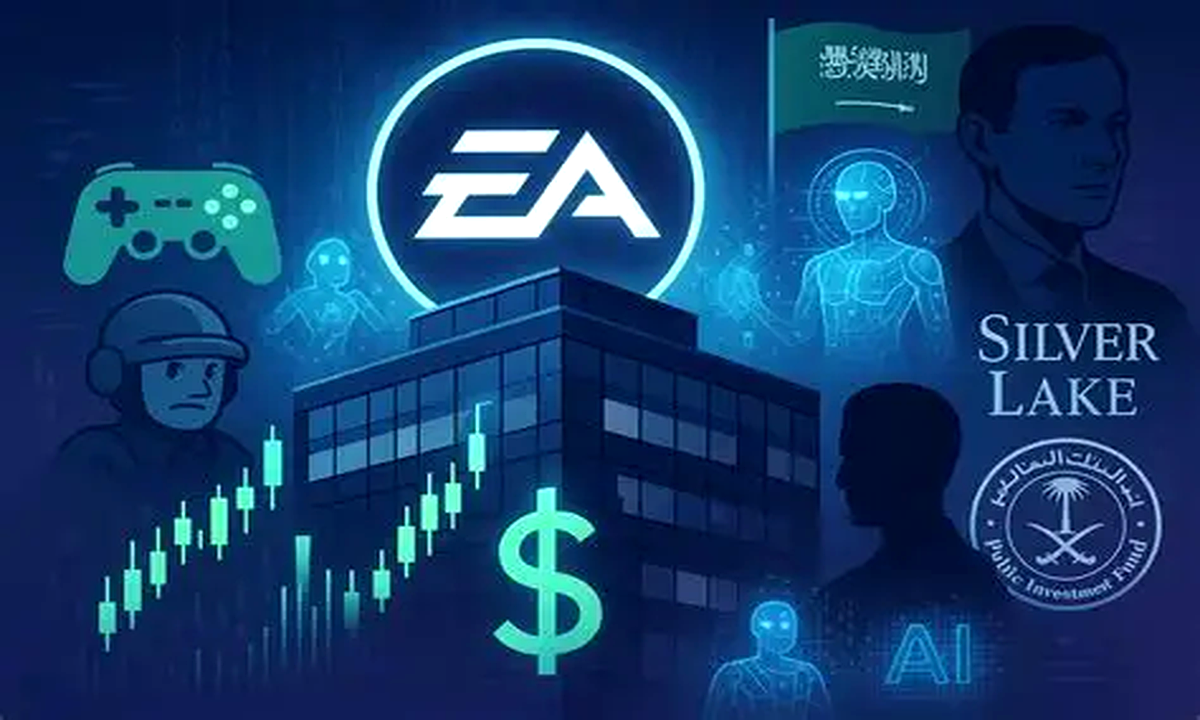
In a landmark decision that reshapes the future of the gaming industry, shareholders of Electronic Arts have officially approved the company’s $55 billion sale, clearing the final major hurdle for one of the largest acquisitions ever seen in the global games market. EA Shareholders Officially Approve the Publisher’s Massive $55 Billion Sale. The approval marks a defining moment not just for EA, but for the wider entertainment and technology sectors.
The vote follows months of speculation, negotiations, and regulatory discussions, all centered around what the deal means for EA’s long-term direction, its portfolio of iconic franchises, and its position in an increasingly consolidated industry.
A Historic Deal for the Gaming Industry
At $55 billion, the sale places EA’s acquisition among the most expensive transactions in gaming history. The size of the deal reflects the enormous value of EA’s intellectual property, live-service ecosystems, and global player base built over decades.
EA is home to some of the most recognizable franchises in the industry, spanning sports, action, and online multiplayer experiences. The company’s consistent revenue from live services, digital sales, and recurring player engagement played a major role in driving the valuation behind the sale.
For shareholders, the approval represents confidence that the transaction delivers strong long-term value compared to remaining independent in a rapidly evolving market.
Why Shareholders Approved the Sale
Shareholder support was driven by several key factors:
- Premium valuation: The $55 billion figure represents a significant premium over EA’s previous market value, offering immediate returns.
- Market consolidation: With rising development costs and fierce competition, scale has become increasingly important.
- Long-term stability: Joining a larger corporate structure offers protection against market volatility.
- Expanded resources: Access to deeper financial and technological resources could benefit EA’s studios and franchises.
For many investors, the deal was seen as an opportunity to secure value while positioning EA’s brands for continued growth under new ownership.
What This Means for EA’s Games and Studios
While the sale is massive in financial terms, its real impact will be felt in how EA operates moving forward. According to statements following the approval, EA is expected to continue operating with a high degree of creative independence, at least in the short to medium term.
Key expectations include:
- Existing development teams remaining intact
- Continued support for live-service games
- Ongoing investment in major franchises
- Expansion into new platforms and technologies
However, as with any acquisition of this scale, long-term changes are inevitable. Strategic priorities, publishing approaches, and studio structures may evolve as the new ownership integrates EA into its broader ecosystem.
Industry-Wide Implications
The approval of EA’s sale further accelerates an ongoing trend of consolidation across the gaming industry. Large publishers and technology firms are increasingly acquiring established studios and IP to secure long-term growth, reduce risk, and expand into interactive entertainment.
This deal reinforces the idea that gaming is no longer a niche market, but a central pillar of global entertainment, rivaling film, television, and music in both revenue and cultural impact.
Smaller studios and mid-sized publishers will likely feel increased pressure as competition intensifies and the gap between industry giants and independents continues to widen.
Regulatory and Transitional Next Steps
With shareholder approval secured, the transaction now moves fully into its final transition phase. This includes completing regulatory processes in key regions, finalizing leadership structures, and outlining long-term operational plans.
While no immediate changes to consumer-facing products are expected, players and industry analysts alike will be watching closely for signals about future strategy, exclusivity decisions, and investment priorities.
What This Means for Players
For players, the short-term experience is unlikely to change dramatically. Ongoing games, updates, and live-service content are expected to continue as planned. Over time, however, players may see:
- Expanded cross-platform initiatives
- Increased investment in technology and infrastructure
- Broader ecosystem integrations
- Potential shifts in monetization or distribution strategies
Whether these changes are viewed positively will depend on how the new ownership balances business objectives with player trust.
Final Thoughts
The official approval of EA’s $55 billion sale marks a historic moment for the gaming industry. It reflects both the immense value of interactive entertainment and the growing influence of large-scale corporate consolidation.
As the deal moves toward completion, the focus will shift from financial headlines to real-world impact — on developers, franchises, and millions of players worldwide. One thing is certain: this sale will shape the future of EA and the gaming landscape for years to come.